

Florida’s subtropical climate usually treats our landscapes kindly, but hard freezes—like the recent one that dipped into the low 20s across parts of the state—can leave even the toughest plants looking scorched, wilted, or collapsed. Tropical favorites such as hibiscus, citrus, palms, bougainvillea, and many perennials often take the hardest hit. The good news? With patience and the right care, most plants can bounce back, thanks to Florida’s warm spring recovery period.
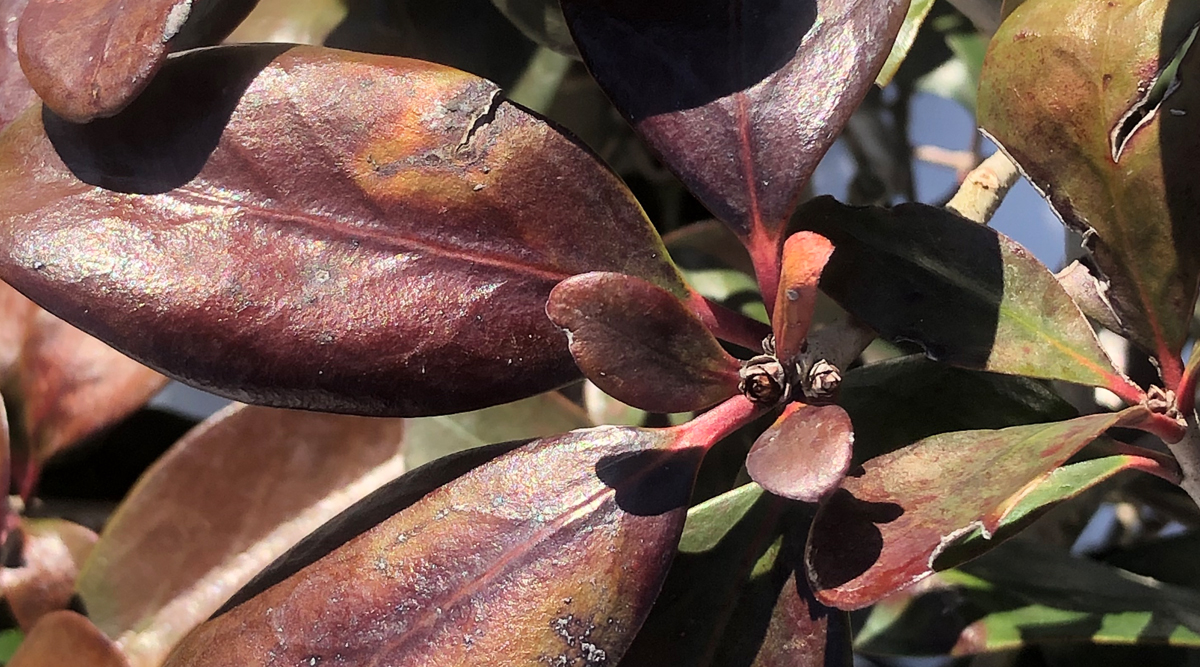
Don’t panic at the sight of brown, mushy, or drooping foliage—much of this damage is superficial, and roots often survive even when the tops look bleak.
Step 1: Water Immediately to Rehydrate
Cold winds and low humidity during a freeze dry out plants faster than you might expect, even while temperatures are low. Frozen soil can also trap moisture away from roots.
- Water thoroughly as soon as temperatures rise above freezing. This thaws the soil, rehydrates tissues, and helps roots resume function.
- Pay extra attention to container plants and potted specimens, which freeze faster and lose moisture quicker.
- Avoid overwatering—check soil moisture first to prevent root rot.
Step 2: Assess the Damage—But Hold Off on Major Action
Freeze damage may not show its full extent for days or even weeks. Leaves often turn brown, black, translucent, or mushy; stems may discolor or split; and tender new growth can collapse.
- Common signs:
- Hibiscus and other sensitive shrubs: Burned, curled, or blackened leaves and dieback.
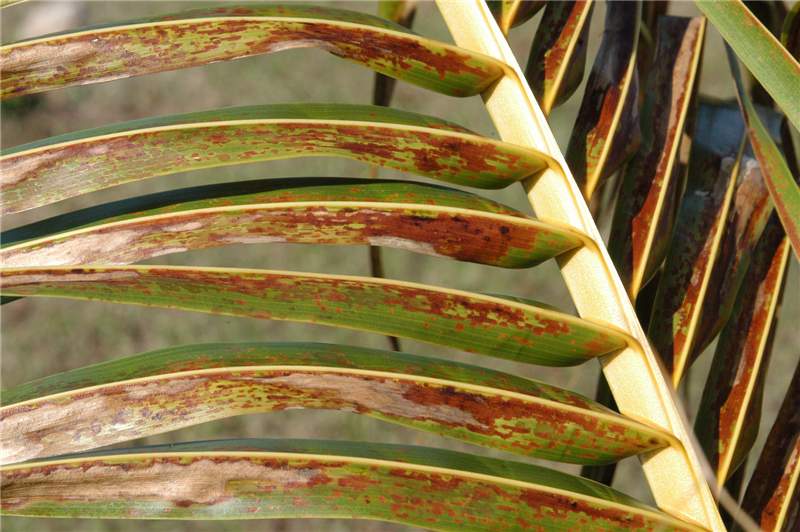
- Palms: Brown, bronzed, or drooping fronds; water-soaked patches on sensitive species like queen palms.
- Citrus: Speckled or browned leaf edges, bark splits, fruit softening, or drop.
- Key rule: Do nothing drastic right away. Dead foliage and stems act as insulation against further cold snaps. Pruning too early exposes tender buds and can stimulate vulnerable new growth.
Wait until consistent warm weather arrives (typically late spring) and new growth emerges. Then, scrape bark with your fingernail—if it’s green underneath, that part is alive.
Step 3: Prune Carefully When the Time Is Right
Once new sprouts appear and the threat of frost has passed:
- Remove only dead or damaged material, cutting back to live wood.
- For palms, trim brown fronds but leave partially green ones—they still contribute energy.
- Avoid heavy pruning on citrus or other trees until late spring/summer when dieback stops.
- For collapsed herbaceous plants (e.g., impatiens), cut them back entirely to prevent decay.
- Fertilizer: Hold off until spring warmth arrives and new growth is established. Early feeding stresses roots and pushes tender shoots that could get hit by another cold snap. Once safe, a balanced application helps speed regrowth.
- Mulch: Add 2–3 inches of mulch around the base (keeping it away from trunks) to retain moisture, moderate soil temperature, and protect roots.
Plant-Specific Recovery Tips
- Palms — Hardy species (e.g., sabal) often show minor damage; sensitive ones may need time. Remove fully brown fronds in spring, but monitor the bud for rot.
- Citrus — Reduce fertilizer rates until canopy returns to normal. Watch for fruit drop or internal damage; maintain irrigation carefully to avoid stress.
- Tropical shrubs and vines (hibiscus, bougainvillea, plumbago) — Expect dieback, but roots usually survive. New growth will appear from the base.
- Lawns — Brown winter dormancy is normal; severe freezes may kill patches, but most turf rebounds in spring.
Looking Ahead: Prevention for Next Time
While freezes are unpredictable, you can build resilience:
- Plant cold-hardy varieties.
- Use mulch and windbreaks.
- Water plants well before a predicted freeze to help them retain heat.
With time, proper watering, and minimal intervention, your landscape can return to its vibrant self.